
Mutual Fund Riskometer: Six Levels and How to Check Yours
Understand the six mutual fund Riskometer levels, check the latest scheme and benchmark disclosures, and use a worked example to review your risk.
Learn how mutual funds fit into a money plan, how SIP contributions and SWP withdrawals differ, and what fund costs and risks mean. Use the SIP calculator to explore contribution scenarios, then read the assumptions before comparing the result with an actual product. A calculator’s expected return is an input, not a promised outcome. These guides explain methods and questions to ask rather than publishing an unsupported list of guaranteed winners.
Understand the six mutual fund Riskometer levels, check the latest scheme and benchmark disclosures, and use a worked example to review your risk.

Understand index and active mutual funds, tracking difference, benchmarks and costs. Use a fair comparison without assuming either approach always wins.
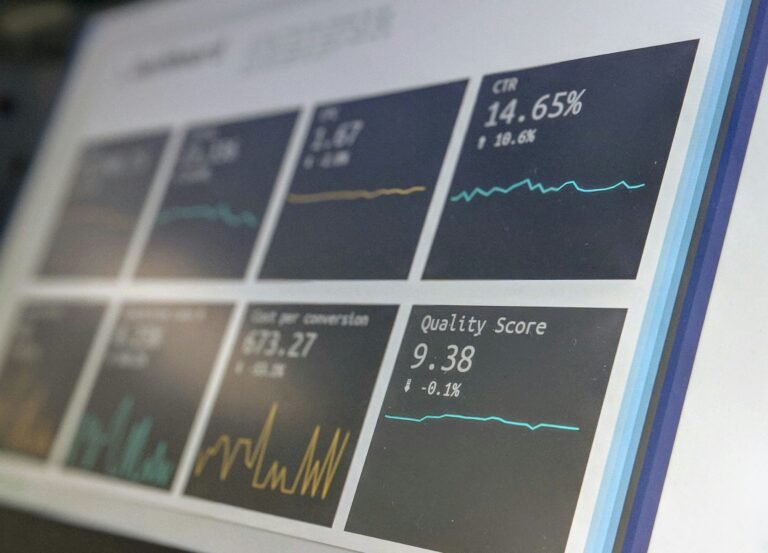
Compare SIP and lump sum fairly using available cash, investment timing and risk. Includes an example that explains why equal contributions are not equal exposure.

Compare mutual fund categories by objective, risk, liquidity and costs. Learn how to read scheme documents and avoid misleading best-fund rankings.

A mutual fund’s expense ratio is its annual operating cost expressed as a percentage of assets. It affects the net asset value (NAV), so you should understand it before comparing funds. The important questions are which plan you hold, what costs its disclosure includes, and whether the return you are using is already after expenses….

Choose a mutual fund for your SIP using goals, risk, costs and current scheme documents. Includes a comparison worksheet and a worked monthly saving example.